

Hey there! As a supplier of harmonic filter capacitors, I've seen firsthand how crucial it is to balance cost and performance. In this blog, I'm gonna share some tips and insights on achieving that sweet spot.
Understanding the Basics of Harmonic Filter Capacitors
First things first, let's quickly go over what harmonic filter capacitors are. These bad boys are used to reduce harmonic distortion in electrical systems. Harmonics can cause all sorts of problems, like overheating of equipment, reduced efficiency, and even malfunctions. Capacitor harmonic filters work by providing a low - impedance path for harmonic currents, effectively diverting them away from sensitive equipment. You can learn more about Capacitor Harmonic Filter.
Why Balancing Cost and Performance Matters
In the world of electrical engineering and business, it's all about getting the most bang for your buck. High - performance harmonic filter capacitors can really improve the quality and reliability of your electrical system. But, let's be real, they can also cost a pretty penny. On the other hand, going for the cheapest option might save you some money upfront, but it could end up costing you more in the long run due to poor performance, frequent replacements, and potential damage to other equipment.
Factors Affecting Cost and Performance
1. Capacitance and Voltage Rating
The capacitance and voltage rating of a harmonic filter capacitor are two key factors. A higher capacitance and voltage rating usually mean better performance, as the capacitor can handle more current and voltage fluctuations. However, these high - spec capacitors are also more expensive. You need to carefully assess your electrical system's requirements. If you over - spec, you're wasting money. If you under - spec, you'll face performance issues.

2. Quality of Materials
The materials used in the construction of the capacitor play a huge role. High - quality dielectric materials can improve the capacitor's efficiency and lifespan. For example, capacitors with polypropylene film dielectrics tend to have lower losses and better self - healing properties. But again, these premium materials come at a cost. You have to decide whether the long - term benefits justify the higher upfront expense.
3. Manufacturing Process
A well - controlled manufacturing process ensures consistent quality. Capacitors made in state - of - the - art facilities with strict quality control measures are likely to perform better and last longer. But the cost of such manufacturing processes is often reflected in the product price.
4. Brand and Reputation
Well - known brands often charge a premium for their products. They've built their reputation on delivering high - quality and reliable products. While you can sometimes find good deals from lesser - known brands, there's more risk involved. You might end up with a capacitor that doesn't perform as expected.
Strategies for Balancing Cost and Performance
1. Conduct a Detailed Load Analysis
Before buying any harmonic filter capacitor, carry out a thorough load analysis of your electrical system. This analysis will help you determine the exact harmonic frequencies and currents present in your system. Based on this data, you can select a capacitor with the right specifications. You don't need to buy a capacitor with the highest possible ratings if your system doesn't require it.
2. Consider Reactive Power Compensation and Active Filtering
Reactive power compensation and active filtering can be great ways to optimize the performance of your harmonic filter capacitors while keeping costs down. Reactive power compensation helps improve the power factor of your system, reducing energy consumption and costs. Active filters can be used in combination with capacitors to provide more comprehensive harmonic filtering. Check out Reactive power compensation and active filtering for more info.
3. Look for Standardized Products
Standardized harmonic filter capacitors are often more cost - effective than custom - made ones. They're mass - produced, which means the manufacturing costs are spread out over a larger number of units. Unless your electrical system has very unique requirements, you can probably find a standardized capacitor that meets your needs.
4. Evaluate the Long - Term Costs
When comparing different capacitors, don't just focus on the upfront price. Consider the long - term costs, such as maintenance, replacement, and energy consumption. A more expensive capacitor with a longer lifespan and lower energy consumption might actually be more cost - effective in the long run.
5. Explore Bulk Purchasing
If you have multiple electrical systems or sites that require harmonic filter capacitors, consider buying in bulk. Many suppliers offer discounts for large orders, which can significantly reduce the overall cost per unit.
The Role of Shunt Active Power Filters
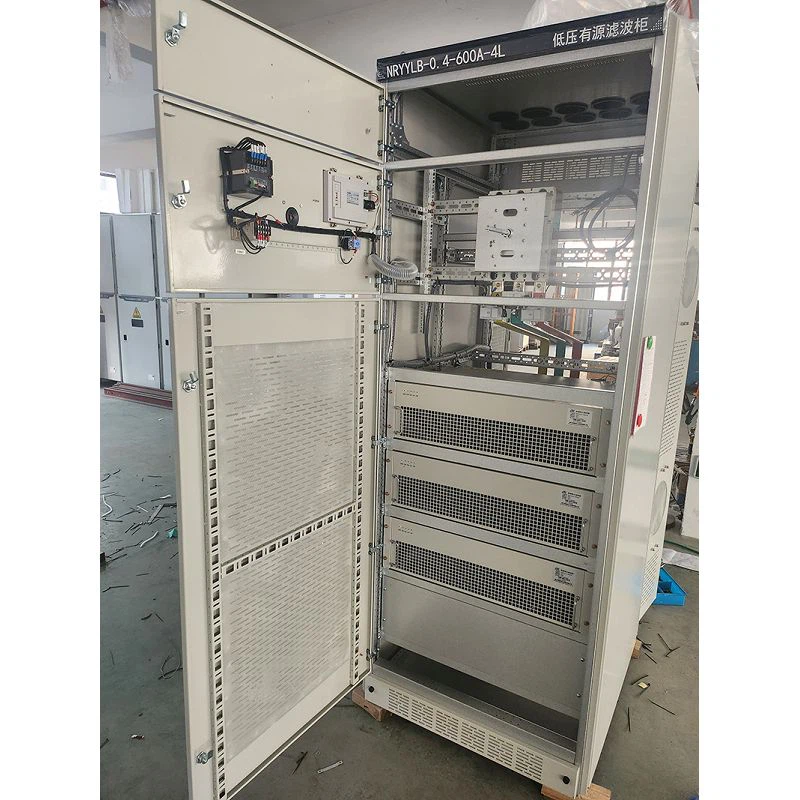
Shunt active power filters are another option to enhance the performance of your capacitor - based harmonic filtering system. These filters can dynamically detect and compensate for harmonic currents. They work in parallel with the harmonic filter capacitors, providing an additional layer of protection against harmonic distortion. A High Quality Shunt Active Power Filter can be a great addition to your electrical system, especially in situations where the harmonic content is complex or variable.
Conclusion
Balancing the cost and performance of harmonic filter capacitors is not an easy task. It requires a good understanding of your electrical system, the factors that affect capacitor cost and performance, and some smart decision - making. By following the strategies outlined in this blog, you can make more informed choices and get the best value for your money.
If you're in the market for harmonic filter capacitors and want to learn more about how we can help you strike that perfect balance between cost and performance, don't hesitate to reach out. We're here to assist you in finding the right solutions for your electrical system.
References
- Handbook of Electrical Filters for Power Quality Improvement
- Power System Harmonics: Fundamentals, Analysis, and Filter Design